
Skip to content
cs@sspgroup.com8401 5 Side Rd, Milton, ON L9T 2Y7

Specialized Vehicles Transport

Specialized vehicle transport built around condition, fit, and route control.

We structure specialized vehicle transport around unit profile, enclosed equipment fit, route feasibility, handling requirements, and condition accountability before the move begins. Across Canada, the United States, and Mexico, this is the operating path for exotic vehicles, collector units, premium assets, and non-standard rolling cargo that cannot be left to generic transport assumptions.

Mode Overview

Specialized vehicle transport is built around condition accountability.

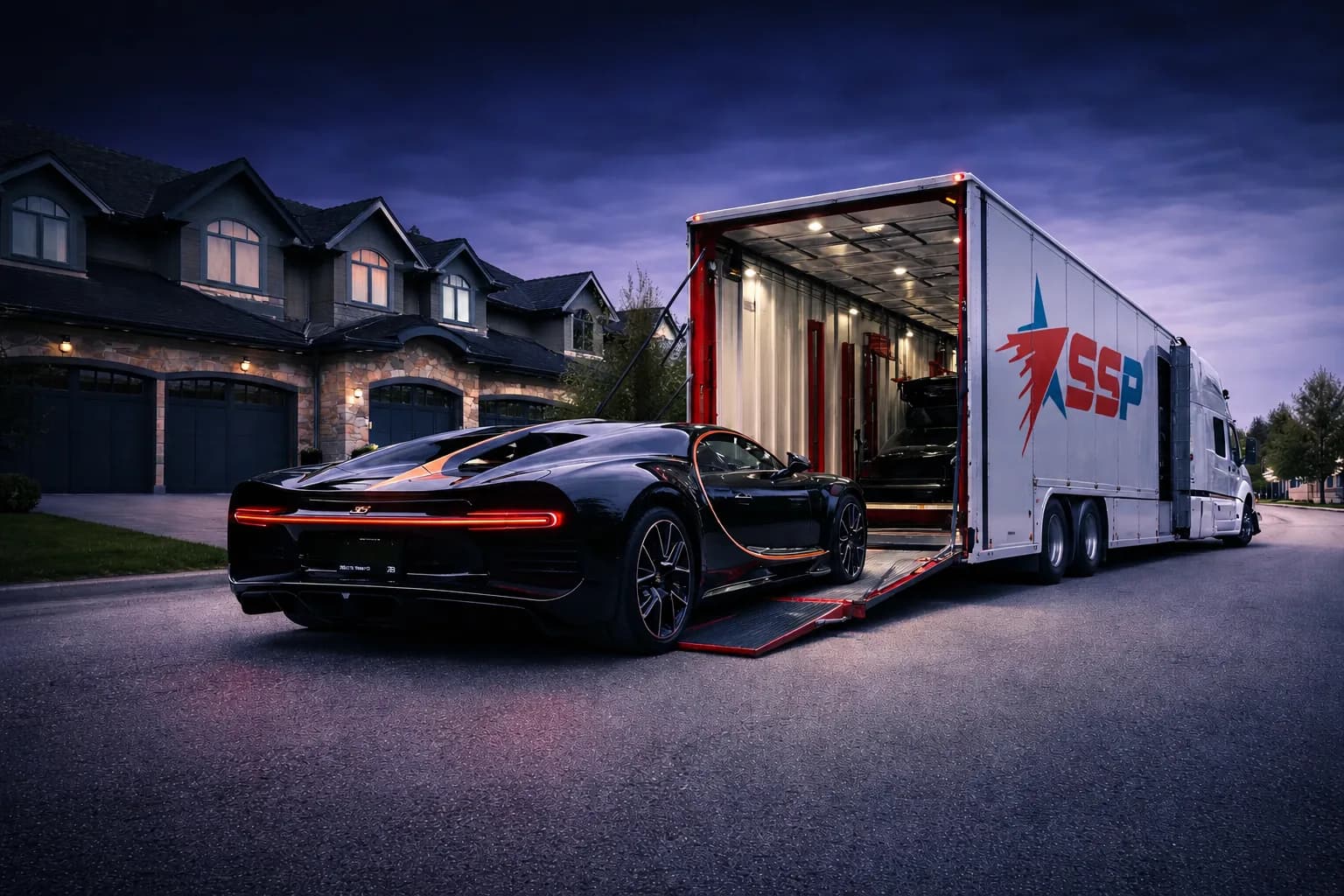
This mode is used when vehicle condition, handling sequence, route feasibility, or premium-asset exposure need to be resolved before dispatch. Enclosed equipment matters, but so do clearance checks, ramp angle, custody points, and delivery-site realism before the unit ever moves.

For Specialized Vehicle Transport

Why SSP

For Specialized Vehicle Transport

01

Equipment fit and handling standards are resolved before dispatch

We review unit dimensions, ride height, securement approach, loading method, and condition sensitivity before capacity is assigned, so the move starts with the right enclosed or specialty path instead of generic assumptions.

02

Route and site feasibility are checked early

Clearance, grade, turning radius, access limitations, appointment timing, and delivery conditions are aligned before pickup so the shipment does not lose control at the most sensitive handoff points.

03

Condition accountability stays attached to the move

Pickup condition, milestone communication, delivery confirmation, and any exception follow-through remain tied to the shipment from origin through closeout rather than being treated as post-event administration.

Freight Fit Guide

Specialized vehicle fit should be confirmed before capacity is committed.

Use this guide to confirm that the shipment truly needs condition-controlled vehicle handling, specialized equipment fit, or route-screened execution. If another service should define the move, we should route it early.

Specialized Vehicle Transport Freight Fit Guide

Specialized vehicle transport is for exotic vehicles, collector units, premium rolling assets, and non-standard vehicle moves where condition integrity, enclosed handling, and route feasibility are non-negotiable. Use this guide to confirm fit and identify a better service path when another operating model should lead the move.

How It Works

Specialized vehicle transport should be qualified before loading.

Specialized vehicle moves perform best when equipment fit, route reality, site conditions, and condition-accountability standards are aligned before dispatch. This is the sequence We use to structure the move.

01

Confirm unit profile and handling requirement

Vehicle dimensions, ride height, special handling notes, loading method, origin and destination conditions, and condition expectations are reviewed first so the move is qualified against the real operating need.

02

Match the right equipment and route path

Enclosed equipment fit, securement method, route feasibility, access constraints, and delivery timing are aligned before the shipment is dispatched.

03

Run the move against milestone and custody control

Once the shipment is in motion, we manage the move against pickup, transit, and delivery milestones with communication tied to the checkpoints that matter for premium-asset handling.

04

Close delivery with documented handoff discipline

Delivery confirmation, condition-aware closeout, and any exception follow-through stay connected to the shipment so accountability does not fall away at the end of the move.

Specialized Vehicle FAQs

The questions that matter before booking specialized vehicle transport.

These are the qualification questions that usually determine whether specialized vehicle transport is the right operating path and what we need to structure the move cleanly.

It qualifies when the unit needs enclosed handling, condition-accountable execution, non-standard loading planning, or route screening that standard vehicle or truckload assumptions cannot support cleanly. The real qualifier is handling risk and operating sensitivity, not just the fact that it is a vehicle.

Confirm the handling fit

Validate the specialized vehicle plan before the unit moves.

Share the unit profile, origin and destination, dimensions, weight, handling requirements, and timing expectations. We will confirm whether specialized vehicle transport is the right operating path, test equipment and route fit early, and structure the move for controlled execution.

Confirm the handling fit