Truckload
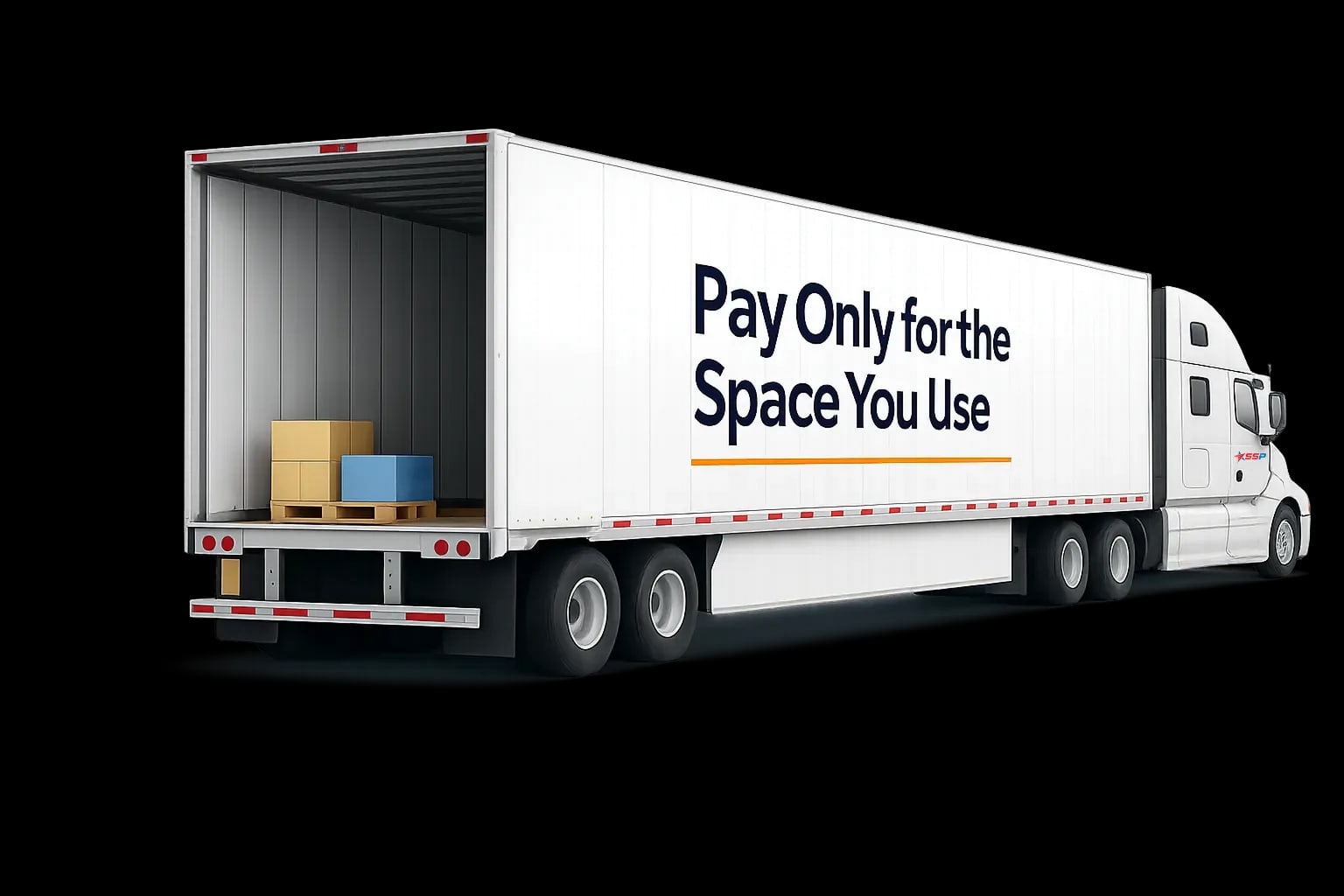
Full-trailer capacity with direct routing, equipment-fit planning, and shipment-level control from pickup through delivery.
Core Freight Modes
We operate full truckload across dry van, flatbed, step deck, Conestoga, and heavy haul — plus LTL for palletized freight that fits shared-capacity networks. The mode and equipment path are confirmed before the shipment is dispatched.
Every core freight shipment resolves to one of two operating models: dedicated full-trailer capacity or shared consolidation. The first decision is whether the freight needs its own trailer or can move through a terminal network. Equipment detail follows from there.
Start in Core Freight Modes when the shipment is defined by size, trailer type, and equipment requirements. If urgency, product sensitivity, border compliance, or recurring program governance becomes the lead condition, a different family is the better starting point.
The shipment is palletized, below full-trailer volume, dock-compatible, and able to move through terminal handling without creating avoidable delay or claim exposure.
The freight fills a trailer, requires dedicated capacity, or needs equipment-specific handling where the move is planned as a single execution unit from origin to destination.
Once truckload is confirmed, loading access, cargo dimensions, weather exposure, securement, and permit requirements determine dry van, flatbed, step deck, Conestoga, or heavy haul.
If the shipment is governed by deadline compression, temperature integrity, hazmat compliance, border documentation, or recurring program structure, start in the family built for that constraint.
The shipment is palletized, below full-trailer volume, dock-compatible, and able to move through terminal handling without creating avoidable delay or claim exposure.
The freight fills a trailer, requires dedicated capacity, or needs equipment-specific handling where the move is planned as a single execution unit from origin to destination.
Once truckload is confirmed, loading access, cargo dimensions, weather exposure, securement, and permit requirements determine dry van, flatbed, step deck, Conestoga, or heavy haul.
If the shipment is governed by deadline compression, temperature integrity, hazmat compliance, border documentation, or recurring program structure, start in the family built for that constraint.
Start the Conversation
Share the lane, commodity, dimensions, and delivery requirements. We will qualify the shipment against the right truckload or LTL path and align equipment before execution begins.
Start the Conversation