
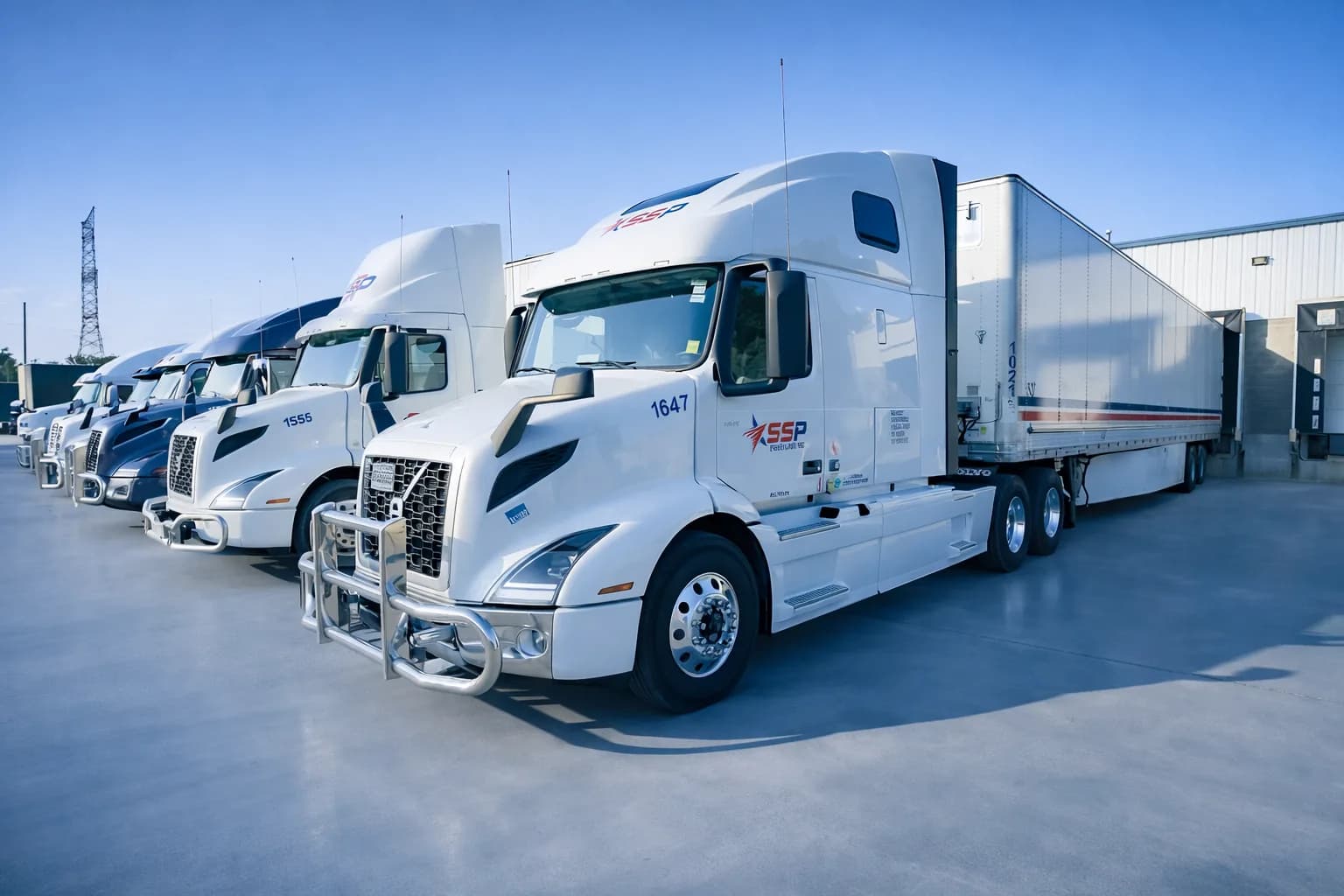
Equipment fit is qualified before the load is covered
We review commodity, dimensions, pallet count, loading method, and site conditions before dry van capacity is assigned, so execution starts with the right trailer and a realistic operating plan.
Dry Van
We moves dry van freight across Canada, the United States, and Mexico for shippers that need enclosed trailer protection, dock-compatible loading, and controlled appointment execution. This is the right equipment path for palletized, boxed, and floor-loaded freight that does not require temperature control or open-deck access.
Before a load is booked, trailer dimensions, pallet capacity, and legal payload should be checked against the actual freight profile. That prevents avoidable reloads, dock friction, and late equipment changes.
We review commodity, dimensions, pallet count, loading method, and site conditions before dry van capacity is assigned, so execution starts with the right trailer and a realistic operating plan.
Pickup windows, delivery appointments, reference numbers, and receiving requirements are aligned before dispatch so the move does not lose control at the dock door.
BOL control, POD closeout, detention exposure, and delivery-side issues are handled as operating responsibilities tied to the shipment, not cleanup after the fact.
Freight Fit Guide
Use this guide to confirm that the shipment belongs in standard enclosed equipment. If the freight falls outside the dry van envelope, we should route it into the correct equipment or service path before the move is committed.
Dry van is the standard enclosed trailer for general truckload freight across North America. Use this guide to confirm the load fits the equipment envelope and to identify a better service path when the shipment requires another operating model.
If the shipment does not need dedicated trailer space and falls below the usual truckload threshold, paying for exclusive equipment may not be the cleanest operating choice.
If the cargo exceeds enclosed height limits or needs crane, side, or top loading access, dry van is no longer the right equipment path.
If product integrity depends on a controlled cargo environment, enclosed protection alone is not enough.
If the load requires placarding, hazmat documentation, or specialized carrier qualification, dry van should not be the lead decision.
Dry van execution improves when equipment fit, dock conditions, paperwork, and milestone ownership are aligned before the trailer is moving. This is the operating sequence we follow.
Confirm freight profile and trailer fit
Commodity, pallet count, dimensions, weight, and loading method are reviewed first so dry van is confirmed before pricing or capacity is assigned.
Align dock requirements and shipment controls
Pickup windows, delivery appointments, reference numbers, and paperwork requirements are built into the operating plan before dispatch.
Dispatch against milestone ownership
Once the move is qualified, we dispatches against pickup, in-transit, and delivery milestones with communication tied to real operating checkpoints.
Close delivery with documentation discipline
POD closeout, billing handoff, and any exception follow-through stay connected to the shipment so the move finishes cleanly and stays accountable through completion.
Confirm the fit
Share the lane, commodity, pallet count, dimensions, and timing requirements. We will confirm whether dry van is the right equipment path, flag any fit risks early, and structure the move for clean execution.
Confirm the fit