
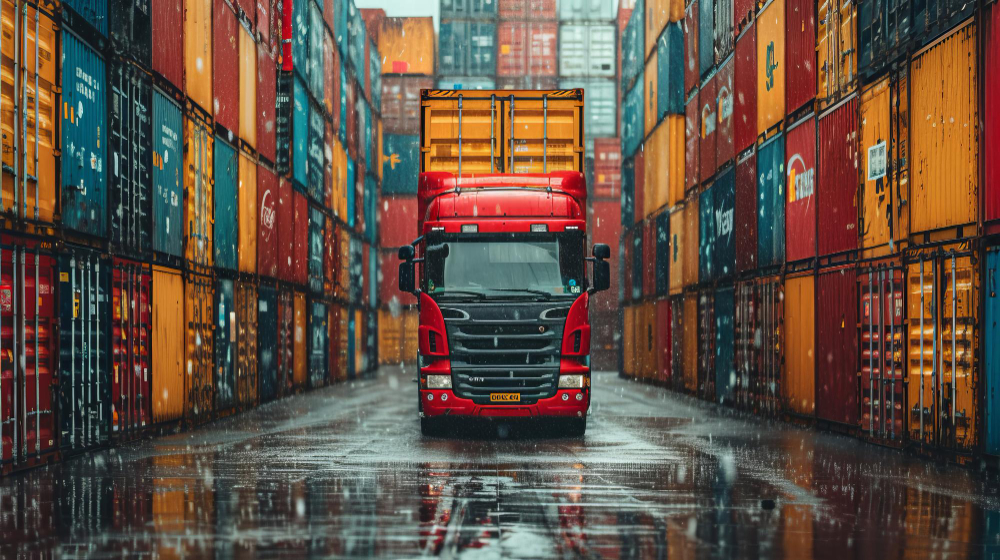
Full truckload shipping (FTL) is especially useful for businesses moving large quantities of goods, heavy freight, time sensitive products, or shipments that benefit from direct transportation. Instead of sharing trailer space with several shippers, one customer uses the truck for a dedicated load. That can mean fewer stops, less handling, and better control over delivery schedules. Manufacturing, retail, food and beverage, construction, pharmaceuticals, and agriculture are among the industries that commonly benefit from FTL shipping.
But the reasons for choosing it can vary from one business to another. Let’s explore which industries benefit most from full truckload shipping and why.
What Makes Full Truckload Shipping Useful?
FTL shipping gives one shipment dedicated trailer capacity from pickup to delivery. Unlike LTL freight, the load generally does not move through several terminals for sorting and consolidation.
That direct approach can make a difference when freight needs to arrive on a specific schedule or should not be repeatedly handled. It can also make financial sense for larger shipments that would otherwise require several LTL loads.
The right choice still depends on the freight, destination, equipment, timing, and overall shipping requirements.Businesses can review different truckload shipping solutions depending on their freight volume, destination, equipment, timing, and overall shipping requirements.
1. Manufacturing and Automotive
A manufacturing operation can have trucks coming and going all day. Raw materials may be heading to a plant, finished goods may be leaving it, and large components still need to reach the right facility on time.
Automotive shipments can be especially sensitive to delays. If a needed part does not arrive when expected, it can hold up other work on the production floor. Some components also take up enough space to make sharing trailer capacity impractical.
That is where full truckload freight can be useful. The shipment gets its own trailer and can travel directly to the required location, with fewer stops and less handling along the way.For businesses moving automotive components, parts, and related freight, SSP Group also serves the automotive industry with transportation solutions suited to different shipment requirements.
2. Retail and E-Commerce
Retail businesses can move a lot of inventory at once, especially when stock is being sent from a distribution centre to stores, fulfilment locations, or another warehouse.
That is where FTL shipping can make sense. When there is enough freight to fill a large portion of a trailer, using a dedicated truck can be more practical than splitting the shipment across shared freight services.
It can also help during busy periods. Seasonal sales, new product launches, and major stock replenishments often come with firm delivery schedules. Having one truck dedicated to the shipment gives the retailer more control over when the inventory arrives.Businesses handling high volumes of consumer products can also explore SSP Group’s retail and consumer goods transportation solutions.
3. Food and Beverage
Getting food from one place to another is not always just about moving a shipment from point A to point B. Fresh, frozen, and temperature sensitive products have to be handled properly throughout the trip.
For larger loads, refrigerated FTL shipping can keep the products together in one trailer from pickup through delivery. There are fewer stops and transfers along the way, which can make the journey easier to manage.
Timing is another consideration. A grocery supplier or food producer may have a specific receiving window to work with. A direct truckload route can make planning around that schedule much easier.
SSP Group provides temperature controlled transportation for freight that requires controlled conditions during transportation.
4. Construction and Building Materials
Construction sites do not usually need small shipments of materials. A single project may require large quantities of steel, lumber, cement, bricks, machinery, or other heavy materials.
Moving that kind of freight through a shared network is not always the most practical option. FTL transportation gives companies the trailer space needed to move a substantial load in one trip. Depending on the material, a flatbed or another specialised trailer may be required.
There is also the question of timing. Materials often need to be on site before a particular stage of construction begins. Keeping the shipment together and sending it directly to the required location can make scheduling easier.
5. Pharmaceuticals and Healthcare
Pharma freight needs careful planning from the moment it leaves the facility. Some medicines and healthcare products have to stay at a set temperature, and delays or poor handling can create problems.
For a large shipment, a refrigerated truck can carry the freight straight to its destination instead of moving it between several vehicles. That gives the shipper fewer handoffs to deal with along the way.
The carrier also needs to know what the shipment requires before the truck is booked. Temperature control, monitoring, paperwork, and delivery instructions all need to be sorted out in advance. For sensitive loads, FTL shipping can provide the dedicated space and direct route needed for the journey.
6. Agriculture and Produce
Farmers, processors, and agricultural suppliers can have large quantities of goods to move within a relatively short window. This can include fresh produce, grain, animal feed, and other agricultural products.
Fresh produce is a good example. Once it leaves the farm or processing facility, getting it to the next destination on time can have a direct impact on its quality.
Using a dedicated truck can keep a large agricultural shipment moving along a planned route instead of making several stops for other freight. The trailer can also be selected based on the cargo. Dry vans may suit some products, while refrigerated equipment is needed for temperature sensitive goods.
7. Chemical and Industrial Products
Moving chemicals or industrial goods is rarely as simple as putting a shipment on the next available truck. The type of product can affect the trailer, paperwork, handling, and delivery process.
For a company shipping a large load from a plant to a warehouse or customer, using one truck can make the move easier to manage. The freight stays together instead of being mixed with other shipments along the way.
The carrier still matters. They need to understand what they are carrying and the requirements that come with it. The right equipment and handling process should be decided before the shipment is picked up.
Businesses operating in this sector can explore SSP Group’s chemical and plastics transportation solutions.
How FTL Benefits These Industries
The products vary from one industry to another, but the reason for choosing full truckload service often comes down to how the freight needs to move.
Fewer Handling Points
With FTL, the shipment can remain in the same trailer for most of the journey. That means fewer occasions for workers to load, unload, or move the freight.
Direct Transit
A truck carrying one dedicated shipment can usually travel from the pickup point to the delivery location without making the stops associated with shared freight. This can be useful when timing matters.
Better Scheduling
A dedicated truck makes it easier to plan around a delivery appointment. Warehouses, factories, retail locations, and construction sites can prepare for the shipment based on an agreed pickup and arrival time.
Lower Risk of Damage
Every time freight is moved, there is another opportunity for handling issues. Fewer transfers can help reduce that exposure, particularly when the shipment contains fragile, bulky, or valuable goods.
Suitable Equipment
Different loads call for different trailers. Depending on the shipment, FTL providers may offer dry vans, refrigerated equipment, flatbeds, step decks, or other specialised options.
Final Thoughts
Full truckload shipping makes sense when a business has a substantial amount of freight to move and wants dedicated trailer space. The reasons can differ by industry. A manufacturer may need to keep production materials moving, while a retailer may be preparing for a major stock delivery. Food and pharmaceutical companies may need temperature controlled equipment, and construction businesses often have heavy materials that require plenty of trailer space.
There is no single FTL setup that works for every shipment. The cargo, distance, equipment, timing, and delivery requirements all matter. If your business regularly handles large or time sensitive loads, comparing available truckload options can help you choose a service that fits the way your supply chain actually operates.
Businesses comparing full truckload with less than truckload transportation can also review SSP Group’s guide to truckload vs. less than truckload shipping.
Why Consider SSP Group for Full Truckload Shipping?
If your business regularly moves large, heavy, or specialised freight, SSP Group is worth considering for full truckload transportation across Canada, the United States, and Mexico. The company matches truckload equipment to the shipment, with options including dry van, flatbed, step deck, Conestoga, and heavy haul.
SSP Group also works with industries such as manufacturing, automotive, retail, food and beverage, construction, steel and metals, and chemical and plastics, giving its team a practical understanding of different freight requirements.For businesses moving freight between Canada and the United States, SSP Group also provides Canada-US cross-border freight transportation.
Explore SSP Group’s truckload services and contact the team to discuss your freight requirements.
FAQs
What industries use full truckload shipping?
Manufacturing, automotive, retail, e-commerce, food and beverage, construction, pharmaceuticals, healthcare, agriculture, and industrial businesses commonly use FTL transportation.
What is the main benefit of FTL shipping?
The main benefit is dedicated transportation. A shipment generally travels directly to its destination with fewer stops and handling points than shared freight.
Is FTL cheaper than LTL?
FTL can be more cost effective for large shipments because one truckload may replace several LTL shipments. Pricing depends on the route, freight, equipment, and market conditions.
Is FTL suitable for temperature sensitive freight?
Yes. Refrigerated truckload equipment can transport food, beverages, pharmaceuticals, produce, and other products that require controlled temperatures.
What types of freight are best for FTL?
FTL is often suitable for large volume shipments, heavy goods, fragile products, high value cargo, and time sensitive freight that benefits from direct transportation.
How do I know if my business needs FTL?
Review your shipment volume, weight, delivery schedule, equipment requirements, and handling needs. A freight provider can also help compare FTL with LTL for specific lanes.