
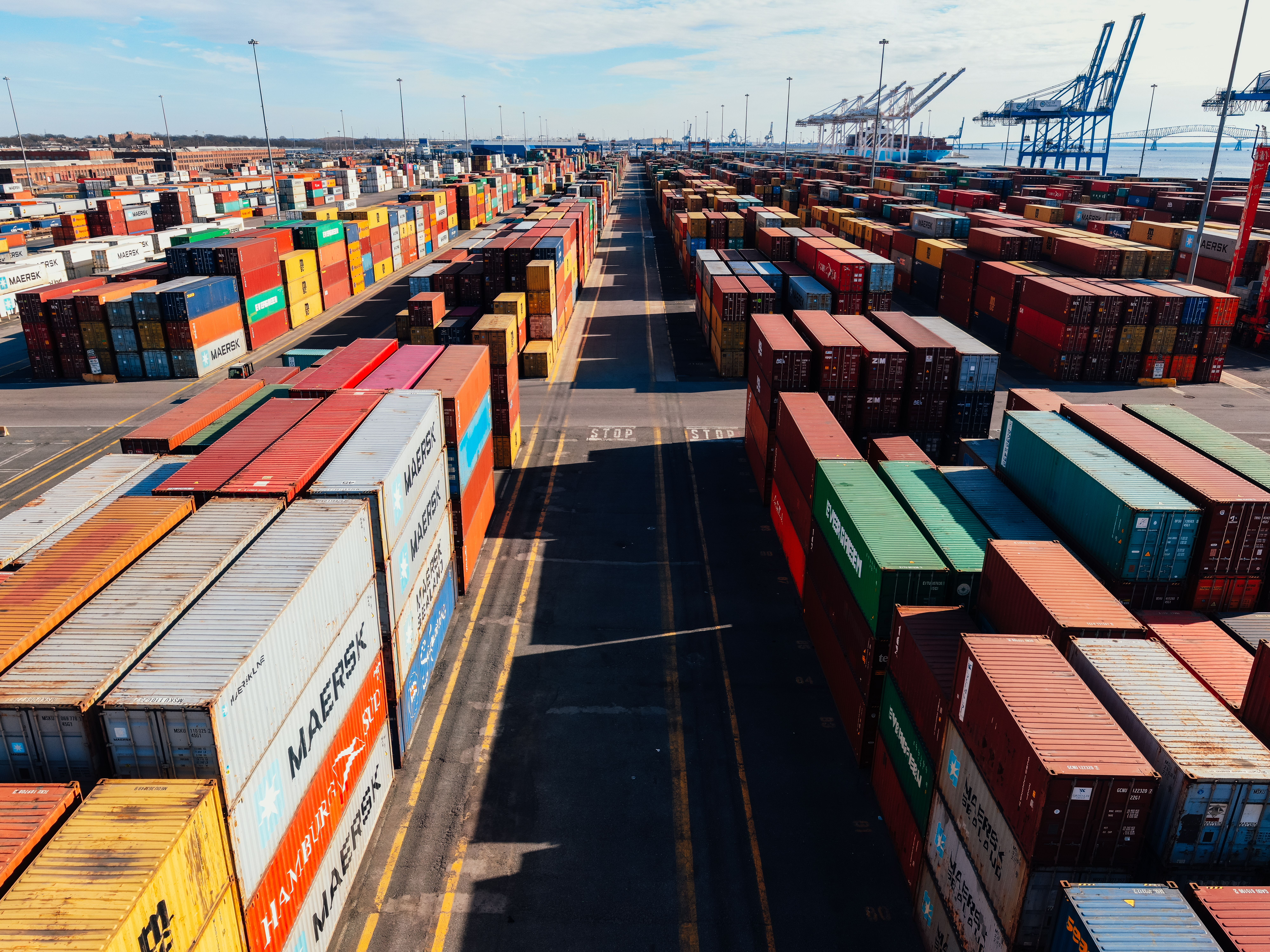
The most effective way to reduce rising logistics costs across Canada, the USA, and Mexico is to control the parts of the supply chain you can influence, including trade compliance, shipment consolidation, transportation mode, route planning, border execution, and carrier capacity.
For companies moving freight across North America, small inefficiencies can become expensive when they are repeated across hundreds of shipments. A shipment that waits at a border, travels with unused trailer space, or moves under the wrong freight mode can increase the final landed cost.
In this guide, we'll walk through practical ways to lower freight and transportation costs, improve cross border efficiency, choose the right shipping company and methods, cut down on border delays, and build a logistics strategy that holds up across Canada, the USA, and Mexico.
Why Logistics Costs Are Rising Across North America
Transportation pricing rarely moves for just one reason. Carrier capacity, fuel, labour, seasonal demand, tariffs, customs requirements, border delays, and shipment volumes all play a role at the same time, and they don't move independently of each other.
Current freight conditions in North America help explain why cost management has become such a priority. In 2025, freight moving between the United States and its Canadian and Mexican neighbours was valued at roughly $1.6 trillion, with trucking handling the majority of that value across both borders. Heading into 2026, capacity has tightened further and rates have climbed in several regions.
Whether you're shipping from Toronto into the USA, moving goods between Canada and Mexico, or managing a supply chain that touches all three countries, cutting logistics costs means looking past the transportation quote and at the full picture.
Start With the True Cost Behind Your Freight Rate
The cheapest freight quote isn't always the cheapest way to move your goods. It pays to look past the carrier rate and calculate what it actually costs to get a shipment from the warehouse to its final destination.
| Cost Factor | How It Can Increase Logistics Costs |
| Transportation Charges | Base cost of moving freight between locations |
| Fuel Surcharges | Additional charges linked to fuel prices |
| Customs and Brokerage Fees | Costs associated with cross border clearance and documentation |
| Duties and Tariffs | Government charges applied to imported goods |
| Border Delays | Waiting time can increase delivery and operational costs |
| Detention Charges | Fees caused by extended carrier waiting times |
| Warehousing and Storage | Costs associated with holding inventory or delayed freight |
| Transloading | Additional handling and transfer costs between transportation methods |
| Freight Damage | Replacement, repair, claims, and delivery disruption costs |
| Expedited Shipping | Higher rates required when shipments become urgent |
| Empty Miles | Transportation capacity used without productive freight |
| Missed Delivery Appointments | Additional charges and operational disruptions caused by delayed deliveries |
Looking at these costs as a group, rather than one at a time, is usually where businesses spot the real leaks. In some cases, paying a slightly higher freight rate actually lowers the total logistics cost, because it cuts down on delays, extra handling, storage, and delivery problems elsewhere.
Use CUSMA and USMCA Compliance to Reduce Tariff Costs
Cross border shipments between Canada, the United States and Mexico can qualify for preferential tariff treatment under CUSMA and USMCA, but businesses must meet the applicable rules of origin and maintain proper documentation.
Review High Volume Products
Start with products that move frequently across borders. Check their classification, country of origin, supplier information and eligibility for preferential treatment.
Prepare Documents Before Shipping
Keep commercial invoices, bills of lading, product descriptions and origin documents ready before freight reaches the border. Missing or inaccurate paperwork can lead to delays and additional costs.
Work With Customs Professionals
A qualified customs broker or cross border logistics provider can help businesses manage documentation and clearance requirements across all three countries, aligning workflows with corridor-specific safety and compliance standards.
Consolidate Freight to Reduce Transportation Costs
Freight consolidation can reduce shipping costs by making better use of available trailer space. Businesses with several smaller shipments moving along similar routes should review whether combining compatible loads makes financial sense.
Review Shipment Frequency
Look at recurring shipments on major lanes. Combining smaller loads into fewer shipments can reduce transportation frequency and cost per unit.
Compare LTL and Partial Truckload
Not every shipment requires a full trailer. LTL and partial truckload options can be practical for smaller loads, depending on shipment size, delivery timelines, route and available capacity. Some loads, including oversized or irregular freight, may instead call for specialized equipment and handling.
Plan Cross Border Shipments Around Your Major Freight Lanes
The more you plan ahead, the more control you have over freight costs, carrier capacity, and delivery timelines. That means reviewing your major lanes, comparing carriers and transportation modes, consolidating compatible shipments, and getting customs documentation ready before anything ships.
Worth reviewing regularly:
- Freight cost
- Transit time
- Carrier performance
- Border conditions
- Shipment frequency
- Freight mode
- Seasonal demand
On routes like Toronto to Chicago, Ontario to Michigan, Laredo to Monterrey, or California to Mexico, understanding your shipment patterns can help you avoid unnecessary costs and last-minute transportation decisions that tend to be expensive ones.
Reduce Empty Miles and Unnecessary Handling
Empty miles cost money, and a lot of shippers don't realize how much until they actually look. Backhaul opportunities get missed, loads don't get matched well, routes stay the same even after they stop making sense, and freight gets handled more times than it needs to be.
Carriers, warehouses, transload facilities, and customs teams all need to be talking to each other for this to actually improve. If you're moving freight between Canada, the USA, and Mexico, take a hard look at how carrier handoffs and routing are working today. There's usually more wasted capacity in there than people expect, and that shows up directly in handling costs and transportation spend — this is a large part of why structured flatbed and multimodal coordination matters on complex lanes.
Treat Border Delays as a Direct Logistics Cost
Border delays are a direct logistics cost, not just a compliance issue. A shipment does not need to be damaged or lost to cost more. Time alone adds cost.
When a truck sits at the border, several costs stack up at once:
- Driver detention charges
- Missed delivery appointments
- Extra labour hours
- Inventory delays
- Customer service issues
A 2026 study on selected U.S. border crossings found these delays cost more than $1.5 billion a year. Commercial vehicles alone accounted for $337 million of that total.
For this reason, border planning should be treated as a cost control measure, not only a compliance step. Businesses can reduce this cost by:
- Monitoring border conditions before shipments arrive
- Preparing documentation early
- Coordinating carrier handoffs closely
- Reviewing alternative ports of entry when it makes sense
Build a Transportation Strategy Around Your Major Lanes
Every shipping lane comes with its own costs and its own headaches, which is why route-specific planning matters so much for controlling transportation spend.
A company moving freight from Toronto to Chicago is going to need a very different strategy than a manufacturer shipping from Monterrey to Dallas.
Start by identifying your highest-volume lanes, then review:
- Average freight cost
- Transit time
- Carrier performance
- Border crossing
- Shipment frequency
- Freight mode
- Accessorial charges
- Empty miles
- Seasonal changes
- Delivery performance
Going through your major lanes this way tends to surface savings opportunities that get missed when transportation is only looked at shipment by shipment.
A Practical Cost Reduction Checklist for North American Shippers
A regular freight review can help businesses identify recurring costs and improve transportation efficiency.
- Audit Shipping Lanes: Review rates, routes, delays and recurring transportation costs.
- Review High Volume Products: Check classification, documentation and duties to avoid unnecessary expenses.
- Consolidate Shipments: Combine compatible freight to improve trailer utilization and reduce costs.
- Compare Freight Modes: Compare FTL, LTL, partial truckload and rail based on cost, urgency and shipment size.
- Plan Ahead: Early planning provides more carrier options and can reduce premium shipping rates.
- Monitor Border Conditions: Track crossing times and delays to make better routing decisions.
- Reduce Empty Miles: Look for backhaul opportunities and improve load planning.
- Track Landed Costs: Consider transportation, customs, storage, handling and delays together for a clearer view of total logistics spending. Reviewing these areas regularly is what tends to separate businesses that keep costs under control from those that only react once costs have already gone up.
How SSP Group Helps Businesses Control Rising Logistics Costs
Rising transportation costs can make freight planning difficult for businesses. SSP Group provides transportation solutions across Canada, the United States and Mexico, supporting FTL, LTL, expedited, specialized and cross border freight. With company owned fleet capacity and a vetted carrier network built over more than a decade of North American growth, SSP Group coordinates shipments based on each business's transportation requirements. This approach helps businesses manage freight more effectively, control unnecessary logistics expenses and maintain reliable delivery schedules.
Contact us today to discuss your transportation requirements and find the right freight solution for your business.
Final Thoughts
Lower freight rates can help, but they are not the only way businesses can control rising logistics costs across Canada, the USA and Mexico. Real savings often come from better shipment planning, routing, consolidation, documentation and delivery coordination. Businesses that understand their major shipping lanes and track total transportation costs can identify areas for improvement. By choosing suitable freight modes, managing cross border requirements and maintaining shipment visibility, companies can control costs without compromising service. The goal is not simply to spend less on transportation. It is to build a logistics operation that remains efficient, reliable and predictable as the business grows.
Sources and Market Research
This article draws on current North American freight data and industry research from the following sources:
It also draws on additional industry reference material, including research from TRAFFIX, Mexicom Logistics, and Loyalty Logistics. Current 2026 conditions make clear that transportation capacity, trade policy, cross border compliance, border operations, and proactive shipment planning all remain important considerations for businesses managing logistics costs across Canada, the USA, and Mexico.
FAQs
How can businesses reduce logistics costs in Canada, the USA and Mexico?
Consolidate freight where you can, pick the transportation mode that actually fits the shipment, plan ahead instead of scrambling last minute, stay on top of trade compliance, and cut down on empty miles wherever possible.
How can businesses reduce cross border shipping costs?
Businesses can reduce costs through freight consolidation, better routing, accurate customs documentation, suitable freight modes and reliable carrier planning.
Should businesses use FTL or LTL?
Honestly, it comes down to the shipment. Size, urgency, route, handling needs, and total landed cost all factor in, and comparing the modes side by side is usually the only way to know which one actually costs less.
How can border delays increase logistics costs?
Border delays can create detention charges, missed delivery appointments, labour costs, inventory delays, and other disruptions that increase the overall cost of moving freight.