
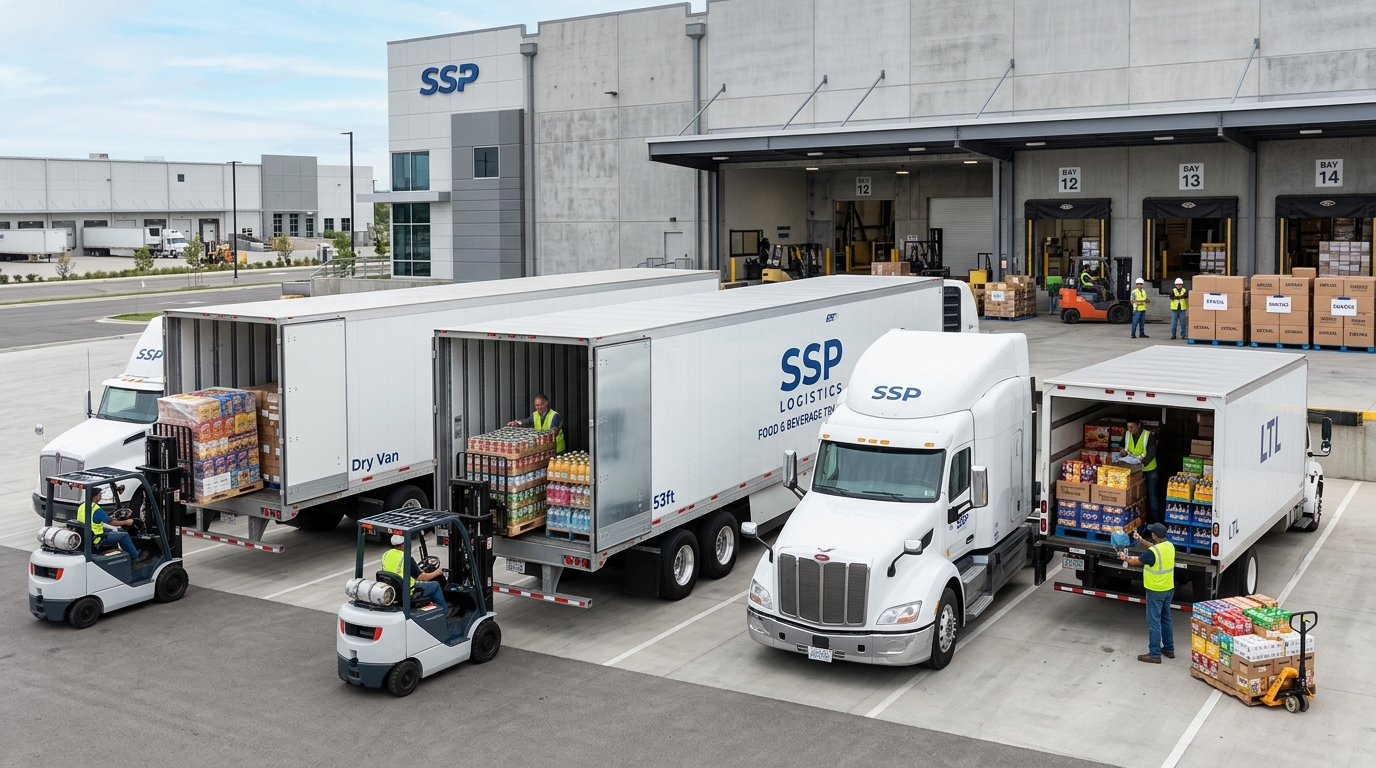
The shipping food and beverage industry is not simple. In the transportation of snacks, drinks and dry goods, all need to arrive safely and on time too. Pick the wrong truck, and you pay more than your budget and accept an acceptable value with longer wait times. In this process, your goods might even get damaged.
Dry Van, Full Truckload (FTL), and Less-Than-Truckload (LTL) are the three choices. Food & beverage shipping methods work in their own way. Each one fits a different kind of load. This guide breaks it down in plain words that help you in choosing your trucking services. By the end, you will know which one fits your shipment best.
Why Choosing the Right Food & Beverage Shipping Methods Matters
The food and beverage industry is competitive, but providing reliable delivery is crucial. Retailers need on-time shipments, distributors need steady stock, and consumers expect products to be available without any delays.
Transportation decisions directly affect:
● Freight costs
● Product safety
● Delivery speed
● Inventory management
● Customer satisfaction
● Supply chain efficiency
Selecting the perfect freight solution that reduces operational costs while improving all service profitability.
Understanding Dry Van Shipping
Dry van shipping is one of the most important food & beverage shipping methods used in North America. A dry van trailer is completely customized to keep the cargo safe from weathering, road debris, and outside contamination.
Temperature control does not apply to refrigerated trailers and dry vans. This allows them to be used in product environments that can be safely transported at ambient temperatures.
Food and Beverage Products Commonly Shipped in Dry Vans
Dry van transportation is frequently used for:
● Packaged snack foods
● Canned goods
● Bottled beverages
● Dry ingredients
● Cereals and grains
● Baking products
● Shelf-stable food items
Since they need not be refrigerated, dry van shipping can provide a feasible and cost-efficient solution.
Advantages of Dry Van Shipping
Cost Efficiency
For the most part, dry van freight is less expensive than special freight transport, as the trailers and carriers are widely available.
Availability and Flexibility
Dry vans represent a large portion of freight capacity, making it easier to secure transportation during peak shipping periods.
Product Protection
The enclosed trailer protects products from environmental exposure and helps to ensure product quality during transport.
Limitations of Dry Van Shipping
Although dry van shipping is versatile, it isn't ideal for items that need temperature control like:
● Dairy products
● Frozen foods
● Fresh produce
● Refrigerated beverages
● Perishable ingredients
These products typically require refrigerated transportation to maintain safety and quality standards.
Understanding Full Truckload (FTL) Shipping
Full Truckload (FTL) shipping is when a shipment occupies the entire trailer. The truck will proceed directly from the pick-up point to the delivery point with very few stops and handling.
FTL is the most frequently used method when the volume of goods being transported fills up a lot of the space in a trailer or the entire trailer.
When Food and Beverage Companies Choose FTL
FTL shipping is often preferred for:
● Large-volume shipments
● Distribution center replenishment
● Bulk ingredient transportation
● High-value products
● Seasonal inventory movements
Benefits of FTL Shipping
Faster Transit Times
FTL is typically more expedient than shared freight transport since goods are shipped directly to their end destination.
Reduced Handling
The cargo is transported on the same trailer all the way, which reduces loading and unloading operations.
Lower Risk of Damage
Fewer touchpoints decrease freight damage, contamination, and product loss.
Improved Shipment Security
Using a dedicated trailer will allow for more control of the shipment and less interaction with other shipments in transit.
Potential Drawbacks of FTL
FTL is great for large loads but not always the best option for smaller volume loads. Completing a shipment with partial loads can cost businesses for the unused trailer space.
Understanding Less-Than-Truckload (LTL) Shipping
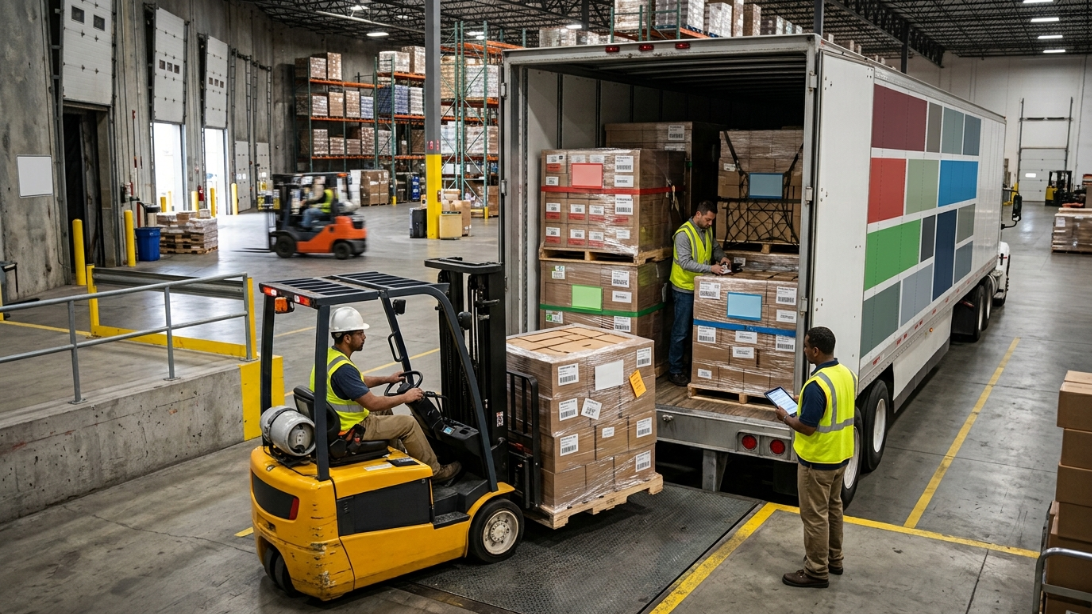
Less-than-Truckload (LTL) shipping is a method that enables several shippers to share the same trailer. Instead of paying for an entire truck, each shipper only pays for the space in the trailer that they are using.
For those companies that have smaller shipments that are sent out fairly regularly, this model is very appealing.
Ideal Uses for LTL Shipping
LTL works well for:
● Smaller palletized shipments
● Regional deliveries
● Emerging food brands
● Frequent inventory replenishment
Benefits of LTL Shipping
Lower Transportation Costs
LTL services can be very cost-effective for smaller shipments as they share space with other customers.
Greater Shipping Flexibility
Businesses can distribute goods without having to build up a large stockpile of items to use in a complete load.
Support for Growing Businesses
LTL provides smaller manufacturers and distributors increased capacity without the high expense of large-scale transport.
Challenges of LTL Shipping
Longer Transit Times
Transit times are generally longer than FTL because there could be multiple terminals involved in the shipping process to consolidate and sort.
Increased Freight Handling
The risk of damage increases if additional handling is required, particularly for fragile goods.
Variable Delivery Schedules
Route optimization and terminal operations can mean delivery windows may not be as predictable.
Dry Van vs. FTL vs. LTL: Key Differences
By knowing which food & beverage shipping methods are better and which are worse, businesses are better equipped to make wise transportation choices.
| Factor | Dry Van | FTL | LTL |
| Freight Type | Equipment Type | Shipping Method | Shipping Method |
| Cost | Moderate | Higher for small loads | Lower for small shipments |
| Transit Speed | Varies | Fastest | Slower |
| Handling | Low | Minimal | Higher |
| Damage Risk | Low | Lowest | Moderate |
| Best For | Shelf-stable products | Large shipments | Small shipments |
| Capacity | Flexible | Entire trailer | Shared trailer |
Which Shipping Method Is Best for Different Food and Beverage Products?
Shelf-Stable Foods
Canned goods, cereals, snacks, pasta, dry goods, and other products are ideal for dry van transport. Businesses can go with either FTL or LTL depending on the quantity of shipment.
Bottled Beverages
FTL carriers are also used for large beverage shipments, as they tend to be heavy and bulky. LTL transport can handle smaller shipments cost-effectively.
Bulk Ingredients
Food producers often use FTL for transporting dry goods such as flour, sugar, grains, and other goods to get the job done and minimize handling.
Retail Distribution Orders
A large retailer's replenishment order is likely to be a case of FTL due to the speed, reliability, and the reduced risk of product damage.
Regional Market Deliveries
LTL shipping is typically the most cost-effective choice for businesses that have multiple locations and purchase smaller amounts.
Factors to Consider Before Making a Decision
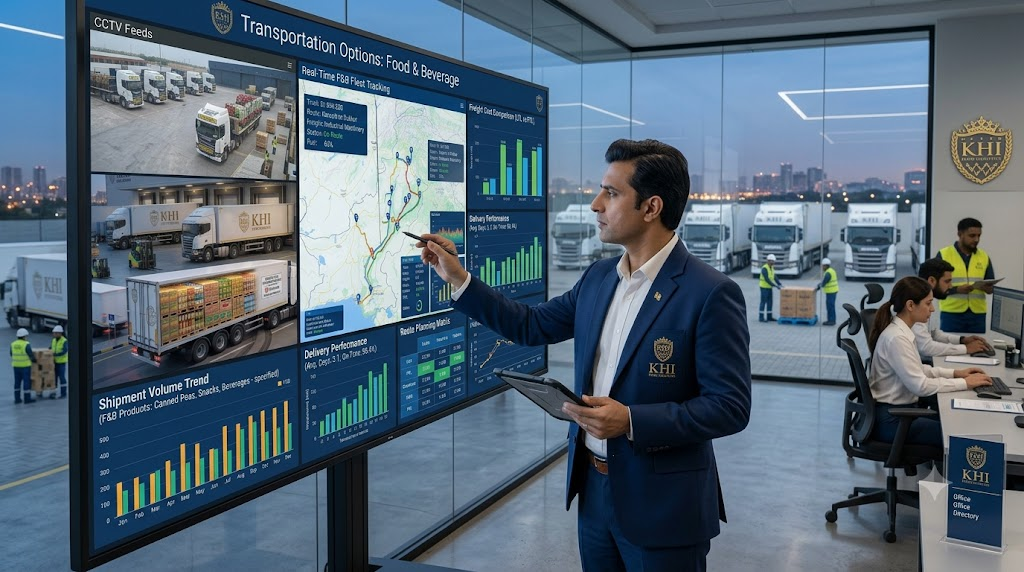
There are a number of key considerations when deciding on whether to use Dry Van, FTL, or LTL by truck.
Product Characteristics
Identify if the product needs temperature control, special handling, and improved protection.
Shipment Size
FTL is best for larger shipments, while smaller loads are most effectively handled using LTL.
Delivery Urgency
FTL's direct shipping model is best suited for time-sensitive goods.
Budget Constraints
Freight selection is a key factor in transportation budgets. LTL may work out cheaper for smaller loads, and FTL for larger loads.
Risk Tolerance
Fragile or valuable products might be transported using methods that reduce the number of times the product is handled and that decrease the number of ways it is moved during the journey.
How Food and Beverage Companies Optimize Freight Costs
Combination shipping methods are often used to optimize shipping efficiency and minimize shipping costs in successful organizations.
Freight Consolidation
Increased utilization of trailers and reduced transportation costs can be achieved by combining smaller shipments.
Route Optimization
Advanced logistics technology makes it possible to determine the most efficient routes of delivery, thus minimizing fuel consumption and the time spent in transit.
Carrier Partnerships
Establishing long-term partnerships with a reliable carrier that has a proven track record of dependable service can lead to greater service consistency, pricing, and access to capacity.
Real-Time Shipment Visibility
Advanced tracking systems offer more visibility and enable businesses to better anticipate and address potential issues.
Conclusion
When it comes to choosing the best food & beverage shipping methods, there's no one-size-fits-all solution between Dry Van, FTL, and LTL. This will depend on the volume of shipments, the product, the time frame needed, and the budget.
For most food and beverage products that do not require refrigeration, dry van transportation is still the most popular option, as it is cost-effective and widely available. FTL offers high-speed, secure, and low-touch transportation for larger packages, whereas LTL offers flexibility and cost-saving for smaller packages.
Through thoughtful consideration of your transportation requirements and matching them to the right freight strategy, your business can save money, increase delivery performance, and enhance your supply chain in general. With the ongoing changes in the food and beverage logistics landscape, selecting the appropriate shipping solution will continue to be a critical part of delivering efficiency, profitability, and customer satisfaction.
FAQs
Is FTL better than LTL for food shipments?
FTL typically has a higher value and is shipped for shorter distances or for time-sensitive deliveries. However, for smaller amounts of freight, LTL might be more economical.
Can food products be shipped in a dry van?
Yes. Dry van trailers are often used for transporting dry goods, packaged snacks, canned food, bottled drinks, and dry ingredients.
When should food companies use LTL shipping?
LTL is typically the most cost-effective option when shipping smaller amounts. FTL is typically more cost-effective for larger loads.
What is the most affordable shipping method?
LTL is typically the most cost-effective option when shipping smaller amounts. FTL is typically more cost-effective for larger loads.
How can businesses reduce freight damage?
Choosing the right packaging, pallet, load securement, and shipping method can help minimize damage risks.