
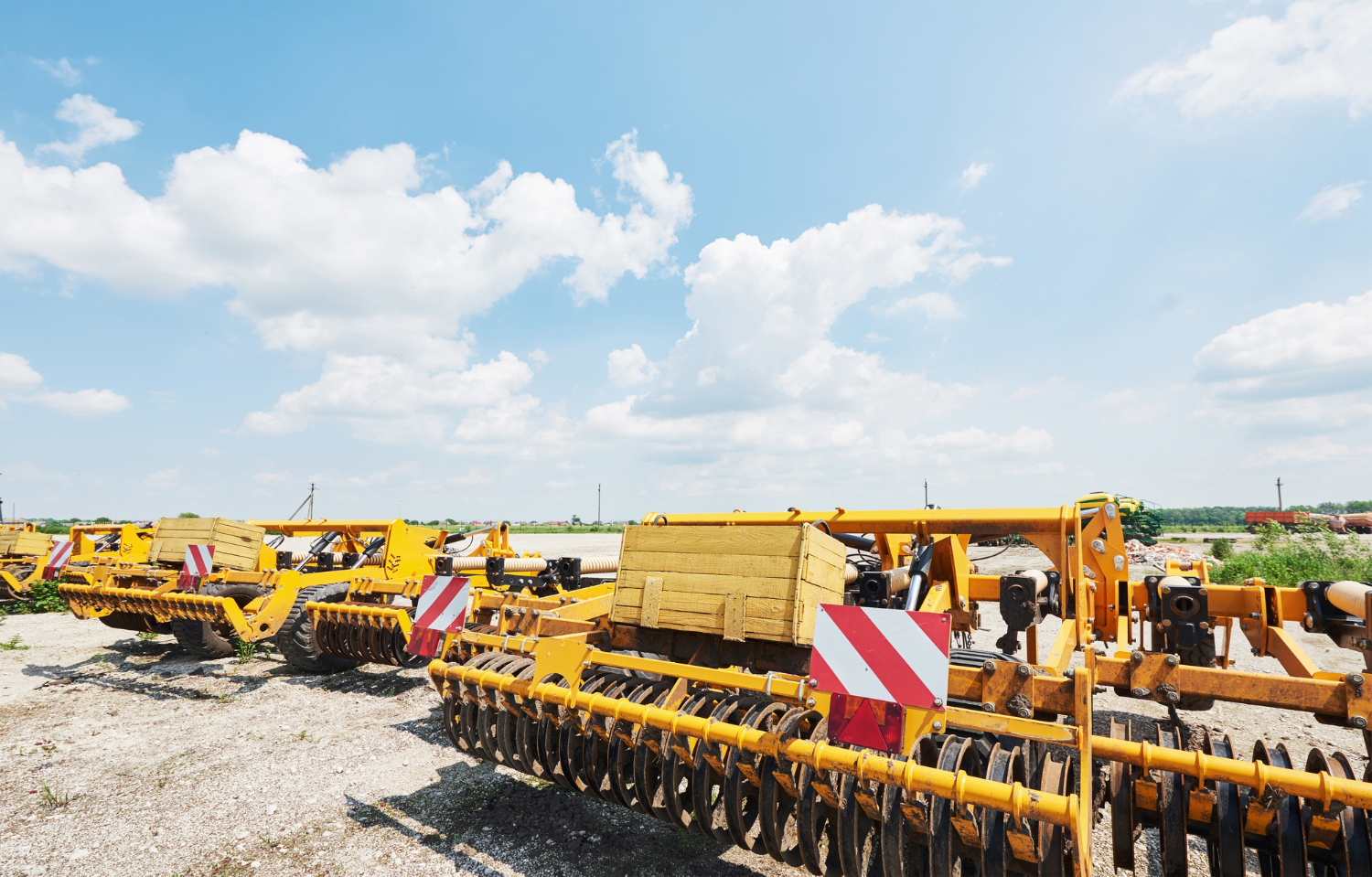
Shipping construction equipment requires more planning than moving standard freight. An excavator, bulldozer, wheel loader or crane can exceed regular vehicle weight and dimension limits, which affects the trailer, route, permits, loading method and overall cost. A mistake in any of these areas can lead to damaged machinery, transport delays, fines or safety risks.
In Canada, construction equipment shipping often involves specialized trailers, trained heavy-haul drivers and route assessments. In 2026, digital load tracking, electronic documentation and route-planning tools are also helping businesses coordinate equipment movements with better visibility.
This guide explains how to ship construction machinery, estimate costs, prepare equipment and manage the risks before it leaves the site.
What Is Construction Equipment Shipping?
Construction equipment shipping is the transportation of heavy machinery from one location to another using commercial trucks, specialized trailers or other freight services. It covers equipment moving between construction sites, dealerships, rental yards, warehouses and project locations.
Unlike ordinary freight, machinery shipments must account for the equipment's operating weight, dimensions, attachments and loading requirements. Some machines fit on standard flatbeds, while larger units need lowboy trailers, permits or escort vehicles. The correct transport arrangement depends on the machine and the route, not simply the distance.
What Types of Construction Equipment Can Be Shipped?
Most construction machinery can be transported using suitable trailers and specialized hauling services. Common heavy construction equipment shipping includes:
- Excavators and bulldozers
- Wheel loaders and backhoe loaders
- Skid steers and forklifts
- Telehandlers and cranes
- Concrete mixers and other construction machinery
The trailer required will be dependent on the weight, dimensions and condition of the equipment. Attachments (buckets, blades, counterweights etc.) must be included when you request a quote as they can have an effect on the requirements and cost of transport.
How to Ship Construction Equipment: Step-by-Step
The best way to arrange construction machinery transport is to confirm the equipment details first, then match the trailer, route and delivery arrangements to the shipment.
1. Record the Equipment's Weight and Dimensions
Start with the manufacturer's specifications and confirm the machine's actual transport configuration. Record its length, width, height and weight, including attachments that will remain fitted during transit. Note whether the boom, blade or other components can be lowered, folded or removed.
These details enable the carrier to work out whether the equipment can be loaded on a standard trailer or whether it will require special hauling. If the measurements are wrong you can end up with an inappropriate trailer, permit issues or extra charges on dispatch.
2. Choose the Right Trailer
The trailer must support the machine's weight and provide enough clearance for safe loading and transport. Common options include:
| Trailer type | Suitable equipment |
| Flatbed | Smaller machinery and equipment within standard dimensions |
| Step deck | Taller machinery that needs a lower loading height |
| Lowboy or lowbed | Heavy excavators, bulldozers and loaders |
| Removable gooseneck (RGN) | Large machinery requiring a low loading angle |
| Extendable trailer | Long equipment or machinery with unusual dimensions |
The carrier should confirm the trailer's capacity, deck height, axle configuration and loading method before booking.
3. Check the Route and Permit Requirements
A machine that fits on a trailer may still exceed the legal dimensions or weight limits for the road. The carrier must assess the full loaded vehicle combination and check bridge restrictions, road conditions, construction zones and clearances.
For oversized equipment shipping, permits may be required for overwidth, overheight, overlength or overweight loads. In Ontario, oversize and overweight permits are issued under provincial rules, and municipal roads may require separate permission. Review the Ontario guide to oversize and overweight vehicles and loads for applicable requirements.
4. Prepare the Equipment for Transport
Before loading, remove loose materials, secure movable parts and check for leaks or mechanical issues. Lower booms and attachments where possible, lock articulated sections and secure removable components separately. Clean excessive mud or debris from tracks and undercarriages when it could create a road hazard or interfere with inspection.
Take photographs of the machine from several angles and document existing damage. This gives the shipper and receiver a useful condition record if a claim or delivery dispute arises.
5. Arrange Loading and Securement
Construction equipment may be driven onto a trailer using ramps, loaded with a crane or positioned using specialized loading equipment. The method depends on whether the machine is operational, its weight and the trailer design.
Once loaded, the carrier must secure it using suitable chains, binders, tie-down points and other approved equipment. The load should not shift, roll or become dislodged during braking, turning or changes in road conditions. Ontario requires cargo to be properly secured under its applicable load-securement rules. See the province's commercial vehicle safety requirements.
6. Track the Shipment and Coordinate Delivery
Confirm the pickup time, delivery address, site access and unloading arrangements before the truck leaves. Share contact details for the site manager or receiving team, especially when the destination is an active construction site.
During transit, use shipment updates to monitor progress and respond to delays. At delivery, inspect the machinery against the pre-shipment photographs and condition report before signing the delivery paperwork.
How Much Does Construction Equipment Shipping Cost in 2026?
The cost to ship construction equipment depends on the machine's weight, dimensions, distance, trailer type, route, permits and loading requirements. Short-distance moves can have a higher cost per kilometre because dispatch, loading and permit expenses are spread across fewer kilometres.
For a directional 2026 Canadian benchmark, one heavy-haul marketplace reported the following median booked rates, including GST:
| Trip distance | Median reported rate |
| Under 300 km | $5.69 per km |
| 300–600 km | $4.21 per km |
| 600–1,000 km | $3.23 per km |
| Over 1,000 km | $3.40 per km |
These figures are marketplace data, not guaranteed carrier tariffs. Actual quotes can be higher or lower depending on the equipment and shipment requirements. See the 2026 heavy equipment shipping rate report for its reported booking data.
What Are the Main Risks of Shipping Construction Equipment?
Heavy machinery is expensive, difficult to replace and often needed to keep a project moving. Poor transport planning can create costs beyond the freight bill.
Equipment Damage During Loading and Transit
Incorrect loading, weak tie-downs or unsuitable trailer selection can cause machinery to shift, scrape or sustain structural damage. Attachments can also become damaged if they are not secured properly.
Use trained loading personnel, suitable securement equipment and a documented condition report to reduce the risk.
Delays and Project Disruptions
A delayed excavator or loader can leave workers waiting and affect the construction schedule. Permit processing, road restrictions, weather and unexpected mechanical problems can all affect delivery. Build realistic transit time into the project plan and confirm the delivery window with the carrier.
Road Safety and Load Securement Issues
An improperly secured machine can become a serious hazard for the driver and other road users. Weight distribution, axle limits, tie-down placement and trailer capacity all matter.
The carrier must inspect the load before departure and comply with applicable provincial and federal commercial vehicle requirements. Transport Canada's commercial vehicle safety information explains the broader safety framework.
Theft and Unauthorized Access
Construction machinery can be a target for theft, particularly when left unattended at pickup points or temporary storage locations.
Record serial numbers, photograph the equipment and confirm who is authorized to receive it. GPS tracking and secure parking arrangements can provide additional oversight.
Unexpected Costs and Insurance Gaps
A quote may not include every expense, such as permits, escorts, loading equipment or storage. Insurance coverage can also vary by carrier and shipment.
Ask for written confirmation of the cargo insurance limits, exclusions, deductibles and the claims process prior to the move.
What Is Changing in Construction Equipment Shipping in 2026?
Technology is improving shipment visibility and coordination in construction equipment shipping. In 2026, several tools are helping businesses manage equipment movements more efficiently:
- GPS tracking: Monitors truck locations and delivery progress.
- Digital documentation: Simplifies bills of lading, permits and delivery records.
- Route-planning software: Identifies road restrictions, bridge clearances and suitable routes.
- Telematics: Helps monitor vehicles and connected equipment.
- Digital inspections: Stores timestamped photos and equipment condition reports.
These tools do help with planning and communication but experienced drivers, correct loading and physical checks are still absolutely vital.
What Documents Are Needed to Ship Construction Equipment?
For domestic Canadian shipments, carriers generally need:
- Bill of lading: Lists the shipper, carrier, receiver and shipment details.
- Equipment specifications: Includes weight, dimensions, make, model and serial number.
- Oversize or overweight permits: Required when the load exceeds legal limits.
- Insurance documents: Confirm applicable cargo coverage.
- Delivery records: Include inspection photos and proof of delivery.
For cross-border construction equipment shipping between Canada and the US, customs declarations and supporting documents are also required. Confirm the equipment's value, origin, classification and ownership with a customs broker before dispatch. See the CBSA guide to importing commercial goods for details.
Construction Equipment Shipping with SSP Group
Moving construction machinery requires coordination between equipment owners, carriers, drivers and receiving sites. SSP Group provides freight and logistics services for industries including heavy equipment and machinery, using a company-owned fleet and a vetted carrier network.
Its transportation capabilities include truckload, less-than-truckload (LTL), specialized freight and expedited shipping. For equipment movements, the right transport arrangement depends on the machine's specifications, route and handling requirements. Businesses can discuss their shipment details with SSP Group to determine the appropriate freight solution.
Visit SSP Group to discuss your transportation requirements and request a quote.
Final Thoughts on Construction Equipment Shipping
Planning construction equipment shipping involves much more than booking a truck. Equipment dimensions, weight, trailer selection, permits, loading, insurance and delivery access all affect the move. Confirming these details before dispatch helps reduce unexpected costs, avoid compliance issues and protect valuable machinery.
In 2026, GPS tracking and digital documentation can also make shipments easier to monitor. Work with a carrier that understands heavy equipment requirements and can explain the transport plan before your machinery leaves the site.
FAQs
How do you ship construction equipment?
Measure the machinery, select an appropriate trailer, check the permit requirements, get the equipment ready and secured, then arrange for pickup, tracking and delivery with a suitable carrier.
How much does it cost to ship construction equipment?
In Canada, reported 2026 heavy-haul marketplace rates range from approximately $3.23 to $5.69 per kilometre, depending on trip distance. Equipment size and permits affect the final quote.
Do I need a permit to transport heavy construction equipment in Ontario?
You'll need an oversize or overweight permit if the vehicle you're operating is in excess of the applicable legal limits. Municipal road permits may also be required.
Can construction equipment be shipped from the United States to Canada?
Yes. The shipment must meet applicable transport and customs requirements. Commercial goods must be reported to the CBSA, and import declarations, duties or taxes may apply.
How long does it take to ship construction equipment?
Transit time depends on distance, route, equipment dimensions, permit processing and carrier availability. Oversized shipments may need additional planning before dispatch.